

Introduction: Why CRO Matters More Than Traffic
Every e-commerce brand dreams of attracting more visitors to its online store. But here’s the hard truth: more traffic doesn’t always equal more sales.
Many online stores spend heavily on paid ads, social media campaigns, and SEO — yet see disappointing conversions. Why? Because their website isn’t optimized to turn visitors into buyers.
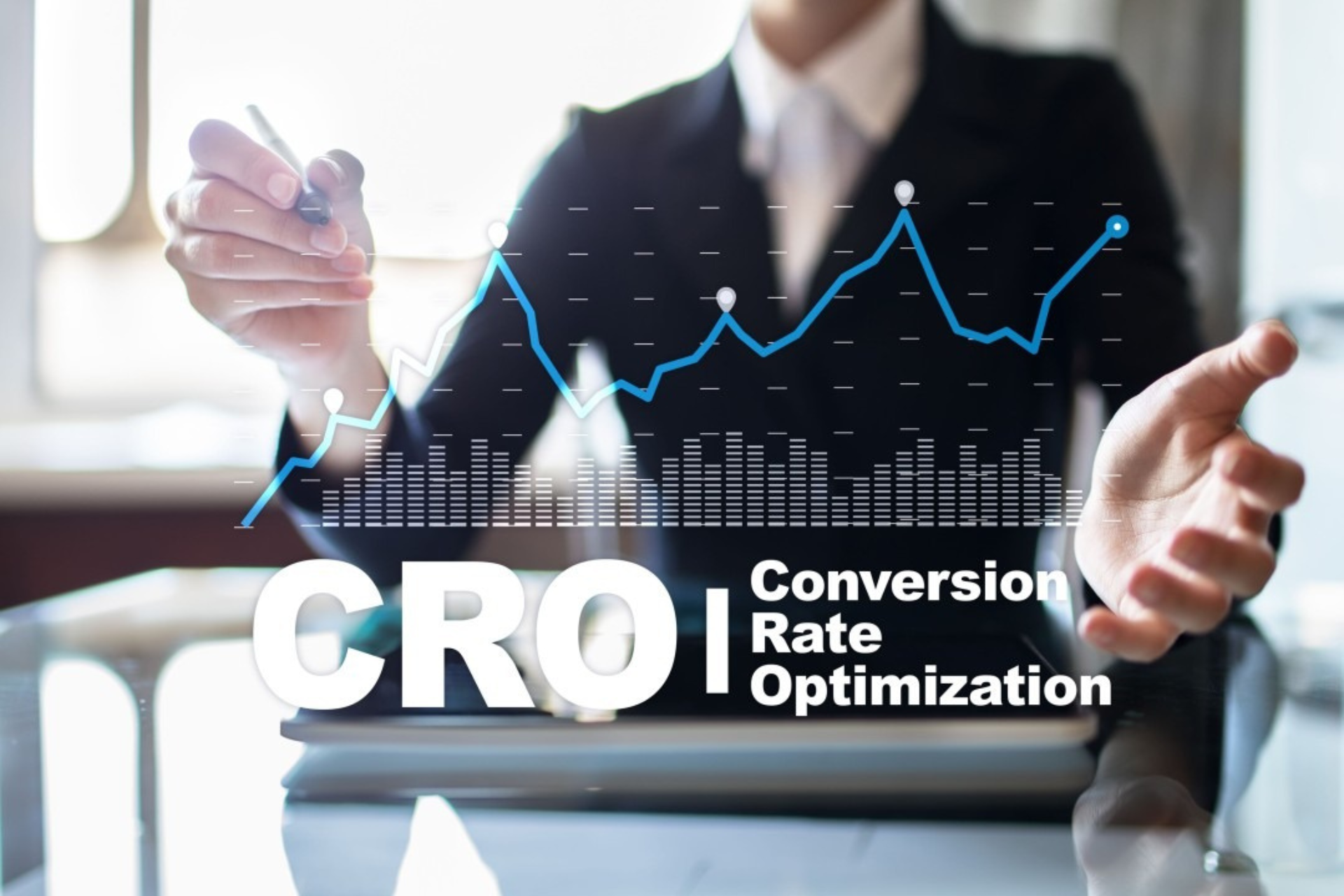
This is where Conversion Rate Optimization (CRO) comes in. CRO isn’t just about tweaking buttons or changing colors — it’s about understanding customer behavior, removing friction, and creating a seamless buying experience. When done correctly, CRO can dramatically boost your revenue without increasing your marketing spend.
In this blog, we’ll reveal CRO secrets that top online stores use to maximize sales, enhance user experience, and grow their brand.
What is Conversion Rate Optimization (CRO)?
At its core, CRO is the process of increasing the percentage of website visitors who complete a desired action — whether that’s making a purchase, signing up for a newsletter, or downloading a resource.
For e-commerce stores, the ultimate goal is sales conversions. By analyzing visitor behavior, testing different website elements, and implementing data-driven improvements, businesses can significantly increase their ROI.
Think of it this way: Instead of spending more money to get traffic, CRO helps you get more value from the traffic you already have.
Key CRO Strategies for Online Stores
1. Landing Page Optimization
Your landing page is often the first impression a customer gets of your store. A well-optimized landing page can increase conversion rates dramatically.
Tips:
- Use clear, benefit-driven headlines: Instead of “Shop Our Collection,” try “Transform Your Living Room with Our Modern Décor.”
- Include high-quality images or videos that show the product in real life.
- Highlight trust signals like reviews, testimonials, and secure checkout badges.
- Ensure CTAs are clear and visible, e.g., “Buy Now” or “Claim Your Offer.”
Example:
An Indian skincare brand increased conversions by 25% simply by rewriting landing page headlines and adding customer testimonials.
2. Product Page Optimization
Product pages are the heart of an e-commerce store. Small changes can make a huge difference in conversion rates.
Strategies:
- Use high-resolution images and videos showcasing multiple angles.
- Add descriptive copy that highlights benefits, not just features.
- Include customer reviews and ratings for social proof.
- Use scarcity tactics like “Only 3 left in stock” or “Limited-time offer.”
Example:
A small fashion store optimized its product pages with lifestyle images and urgency banners — increasing sales by 30% in one month.
3. Checkout Process Simplification
Even if your landing and product pages are perfect, a complicated checkout process can kill conversions.
Tips:
- Reduce the number of steps required to complete a purchase.
- Offer multiple payment options (cards, wallets, UPI, COD).
- Make guest checkout available to avoid forcing account creation.
- Display shipping, return, and delivery information clearly.
Example:
An online electronics store reduced cart abandonment by 20% after simplifying its checkout process and adding a one-click payment option.
4. A/B Testing
Testing is the backbone of CRO. A/B testing allows you to compare two versions of a page or element to see which performs better.
What to test:
- Headlines and subheadings
- CTA buttons (color, placement, wording)
- Images or product videos
- Pricing displays and discount banners
By continuously testing and iterating, e-commerce brands can optimize every step of the buyer’s journey.
5. Personalization
Modern shoppers expect relevant and personalized experiences. Personalization can drastically improve conversions by making customers feel understood.
Strategies:
- Recommend products based on past behavior or purchase history.
- Show dynamic content or pop-ups tailored to user preferences.
- Offer targeted discounts or bundles.
Example:
A home décor brand increased sales by 35% by displaying recommended products based on browsing history.
Tools and Analytics for CRO
To implement CRO effectively, you need the right tools and data.
Popular tools:
- Google Analytics: Understand traffic patterns and conversion paths.
- Hotjar / Crazy Egg: Visualize user behavior with heatmaps and session recordings.
- Google Optimize: Conduct A/B and multivariate testing.
- Optimizely: Advanced experimentation platform for CRO.
Data-driven decisions allow you to identify bottlenecks, fix drop-offs, and continually improve your store’s performance.
Real-World Examples of CRO Success
- E-commerce Apparel Brand: Improved product page copy and CTA placement → +30% sales.
- Skincare Store: Added customer reviews and testimonials → +25% conversions.
- Electronics Retailer: Simplified checkout → -20% cart abandonment rate.
These examples show that small changes can have a huge impact on revenue.
Benefits of CRO for Online Stores
- Maximized revenue from existing traffic
- Improved user experience and customer satisfaction
- Lower marketing costs per acquisition
- Better ROI on advertising campaigns
- Higher customer loyalty and repeat purchases
Future of CRO
The future of e-commerce CRO will focus on:
- AI-driven personalization (predictive recommendations, dynamic content)
- Voice search optimization for product discovery
- Interactive experiences (AR try-ons, quizzes)
- Automated experimentation for continuous optimization
Brands that adopt these strategies early will stay ahead of the competition and maximize their conversion potential.
Conclusion: Make Every Visitor Count
Conversion Rate Optimization is more than just a marketing tactic — it’s a growth strategy. By optimizing landing pages, product pages, checkout processes, and using personalization and testing, e-commerce brands can turn traffic into loyal customers.
At EcomBoost Solutions, we help online stores implement proven CRO strategies that increase sales, improve customer experience, and boost ROI.